From the journal
How to Implement a Successful Content Strategy for Your SEO-Friendly Website
It is therefore important to come up with a good content strategy in order to create a good SEO friendly website that will attract and retain its visitors.

It is therefore important to come up with a good content strategy in order to create a good SEO friendly website that will attract and retain its visitors. A clear content strategy not only helps to increase your website’s ranking on search engines, but also makes your audience interested and leads to actions. Below is a simple guide that will help you in developing a good content strategy for your SEO-friendly website.
1. Define Your Goals and Objectives

It is crucial to set the goals and objectives before creating content as a way of ensuring that the content created is relevant to the intended purpose. What are your goals for your content? Some of the general goals may be to drive traffic to the website, to get leads, to raise brand awareness, or to engage the customers. Thus, it will be easier to set certain goals and then work towards achieving them while also evaluating the effectiveness of the content strategy.
2. Understand Your Target Audience
Understanding your target audience is crucial as it helps in the preparation of content that will be of interest to the target audience. Ensure that you carry out a detailed study to determine your audience’s age, gender, likes, dislikes, and how they search. It is recommended to use Google Analytics, social media insights, and customer surveys to collect the data. Developing detailed buyer personas will enable you to know your target market and what they require from you.
3. Conduct Keyword Research
Keyword research is a critical aspect of any SEO campaign as it provides the basis of the entire strategy. Determine the search terms and phrases that your target market is likely to use. To get the keywords with high traffic and low competition, you can use tools like Google Keyword Planner, SEMrush, or Ahrefs. Opt for long-tail keywords that are not as popular as generic ones and are more specific to the search queries users have.
4. Create a Content Calendar
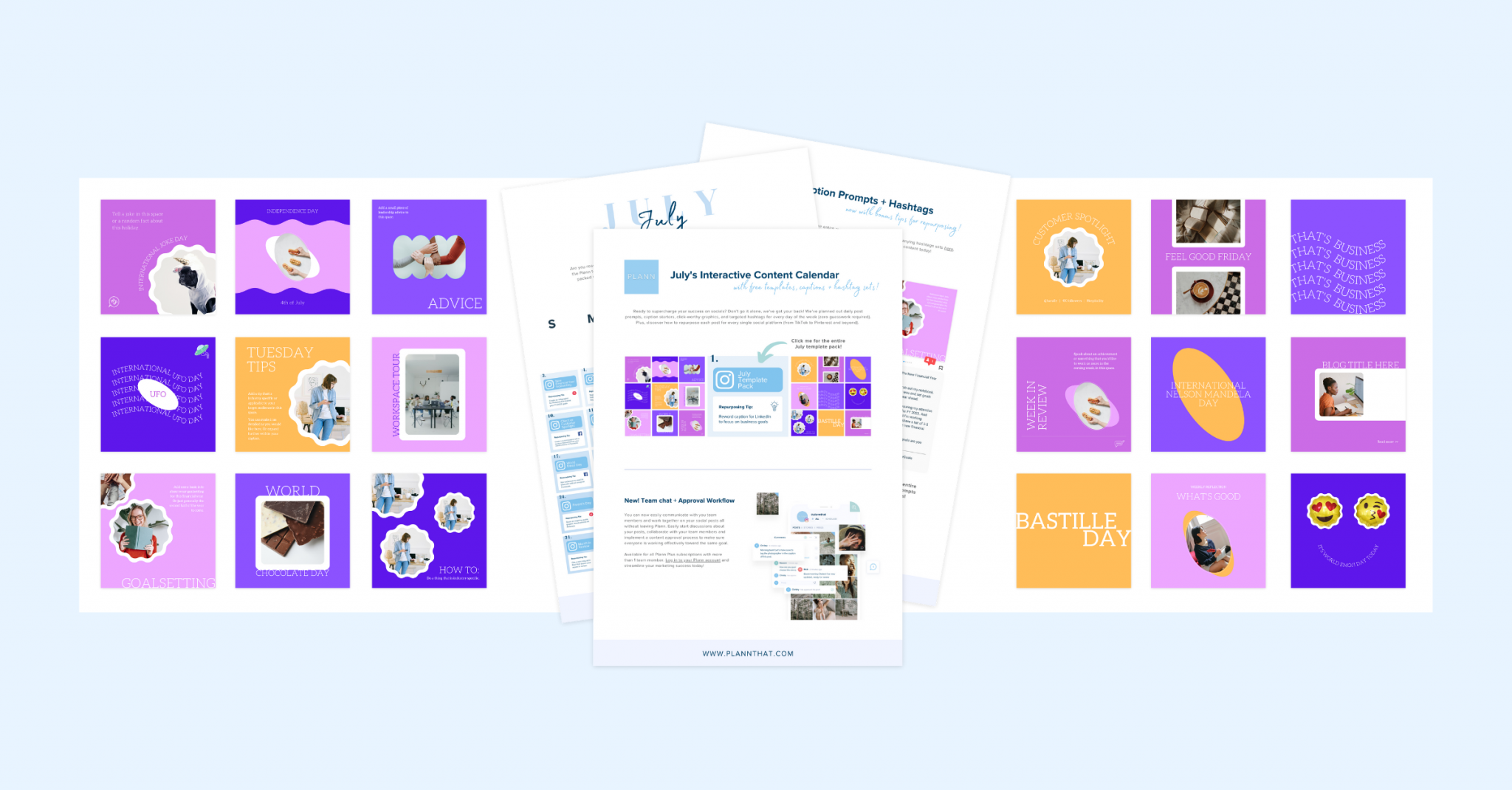
A content calendar is a must-have for any content marketer to help plan and schedule their content creation. Schedule the topics, formats, and the dates for the creation of your content in advance. This is useful in order to maintain a certain structure and to be able to coordinate your content with certain dates, occasions, or marketing strategies. A content calendar that is well organized also helps you to distribute your content in the right proportions whether it is blog posts, videos, infographics or social media posts.
5. Develop High-Quality, SEO-Optimized Content
When creating content, always ensure that it is quality and most importantly relevant. Create articles that are informative, interesting and backed up by research that will be of interest to your target audience. It is recommended to use your target keywords in the content, in the headings, subheadings, and meta descriptions. When writing, avoid using complicated words and long sentences and ensure that there are no large chunks of texts; instead, use bullet points, images, and headings.
6. Optimize for On-Page SEO
On-page SEO is important so that the search engines are able to crawl and index your content easily. Each content should be fine-tuned by adding the keywords to the title, URL, and meta tags. For images, it is best to use descriptive alt text and make sure that the content is mobile responsive. Other on-site factors that can also enhance navigation include internal linking to other related pages within your site to aid search engines in comprehending the content.
7. Promote Your Content

It is imperative to create quality content; however, the content will be useless if it is not promoted to the right audience. Post your content on social media, through email, and in groups and communities that are related to your topic. You may also want to engage influencers or guest bloggers to help you increase your audience. Other strategies that can also be used to enhance the visibility include; paid advertising or sponsored posts.
8. Monitor and Analyze Performance
Continually assess the performance of the content to know which areas are effective and which are not. Some of the tools that can be used include Google Analytics where one can be able to monitor the number of page views, bounce rates and conversion rates. This information helps you optimize your content plan by identifying the most effective topics and formats and improving the ones that are less effective.
Conclusion
Developing and deploying an effective content strategy for your SEO friendly website is one of the most critical processes that need to be done in the right way. Thus, by setting the goals, identifying the target audience, conducting the keyword research, planning the content, creating the quality content, optimizing it for the search engines, promoting the content, and analyzing the results, you can build a strong content strategy that will attract the traffic, engage the users, and meet your business objectives. It is possible to achieve much with your content strategy if you are committed and consistent in implementing it on your website.